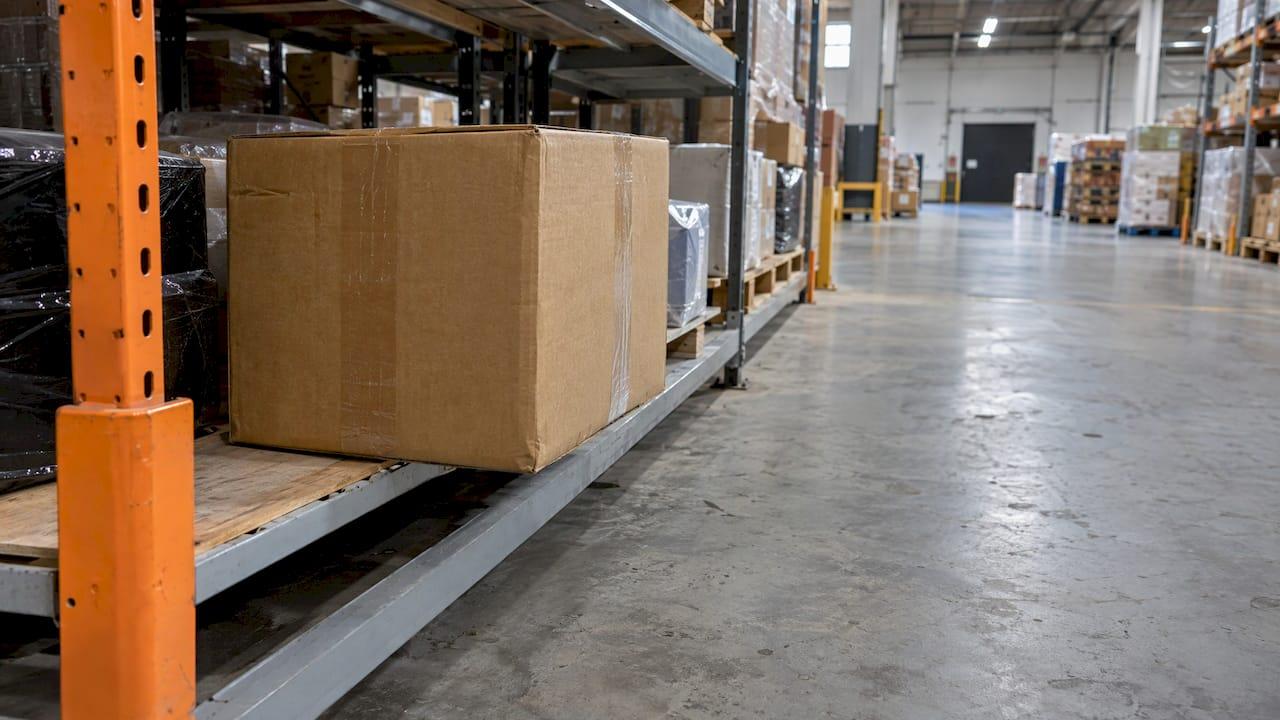
A customs storage fee is a charge for keeping your parcel in a warehouse while it waits for customs clearance, and it is almost always avoidable. It starts when a parcel is held for unpaid duty, incomplete paperwork or inspection and nobody resolves the hold in time. The sender controls most of the causes. Accurate paperwork, a complete declaration and a receiver who knows a duty bill is coming prevent most storage charges before the parcel leaves Singapore.
This guide explains what the fee is, when it starts, who pays and what to do the day tracking stalls. It is written for people shipping from Singapore: individuals, students, expats, online sellers, dropshippers and small businesses.
TL;DR
- A customs storage fee is a daily warehouse charge applied when a parcel is held at customs or with the courier after any free period ends.
- Common triggers are unpaid duty or tax, an incomplete declaration, review by another agency, or a random examination.
- Couriers use several names for similar charges: clearance fee, customs clearance fee, customs storage fee and handling fee. Ask what each line includes.
- In the United States, goods not entered within 15 calendar days of arrival can be ordered into a bonded warehouse at the owner's expense.
- Complete, accurate documents and a receiver who is ready to pay duty are the best protection.
Table of Contents
- What a customs storage fee actually is
- Why parcels get held and start accruing storage
- When the clock starts
- Who pays the storage fee
- How to prevent customs storage fees
- What to do the day tracking shows a hold
- Should you refuse the parcel?
- Our perspective
- Book your next parcel with the paperwork done for you
- FAQ
- Sources
What a customs storage fee actually is
When an international parcel lands, it must be cleared by the customs authority of the destination country. Until it is cleared, it sits in a facility run by the courier, the airport or a bonded warehouse (a secured warehouse approved to hold goods that have not yet cleared customs). Space costs money, so the party holding the parcel charges for it.
There is no single global rate. Each courier sets its own free period and daily charge, and these appear in its service terms or tariff, which are updated from time to time. For that reason this article does not quote a daily rate. You will find the current one in the terms of the service you booked.

Storage fee versus customs clearance fee
These are different things that often look alike on a bill.
- Duty and tax go to the government. They are based on the goods' value, type and origin.
- A clearance or brokerage fee goes to the courier or agent for preparing and filing the customs entry. Our guide to the brokerage fee on a courier shipment explains who normally pays it.
- A storage fee goes to whoever holds the parcel, for each day it waits.
Norway's customs authority makes the naming problem clear. It states that the customs clearance fee is charged by the shipping agent, not by customs, and that carriers label similar charges differently, including "customs storage fee" and "handling fee". It advises recipients to ask the agent what each price covers. The advice works anywhere: read each line of the invoice and ask what it pays for.
A related charge is the disbursement fee, which a courier adds for paying duty on the receiver's behalf. See disbursement fee courier charges for how it works.
Why parcels get held and start accruing storage
Per a published explanation of customs storage, a parcel is typically held for one of four reasons:
- Duty or tax is owed and unpaid. The courier will not release the parcel until the bill is settled.
- The declaration is incomplete. A vague description, a missing value or a missing recipient detail stops the file.
- Another agency wants to review it. Food, plants, medicines, electronics with batteries and similar goods can draw extra attention.
- It was selected for examination. Sometimes this is random.
The same source explains that storage generally accrues per day once the carrier's free period has run out. The sequence is the problem. A parcel waits for a duty payment nobody noticed, storage builds each day, and a paperwork hold can add a clearance entry charge on top. A low-value parcel can end up owing more than the goods are worth.
The usual cause is a surprise. Receivers often do not expect a duty bill, so the email or text asking for payment gets ignored while the parcel sits.
Worked example
Imagine an online seller in Singapore ships a US$60 item to a buyer abroad. The description on the invoice says only "gift set". Customs asks for a clearer description, and the courier emails the buyer, who assumes it is spam. Three days pass, then a week. By the time someone responds, the buyer owes the original charges, a daily storage amount and possibly a clearance fee. Each part is small. Together they can exceed what the buyer is willing to pay for a US$60 item.
The fix would have cost nothing at the start: a specific description such as "scented candles, soy wax, 3 pieces" and a heads-up to the buyer that a duty bill might arrive.
When the clock starts
The start depends on the carrier and the country, so there is no universal number of days. Three patterns are common.
- The courier's free period. Most couriers hold a parcel for a short grace period before storage charges begin. The length is in the service terms.
- A government deadline. In the United States, if no customs entry is filed within 15 calendar days of arrival, CBP orders the goods to a bonded General Order warehouse at the owner's risk and expense under 19 CFR Part 127. The importer then has six months from the date of importation to file entry and pay accrued charges. After that, the goods go to public auction or destruction. This mostly affects freight and larger shipments that move through formal entry, but it shows how the cost escalates.
- Weekends and holidays. Daily charges can continue while offices are closed, so a hold that begins on a Friday may cost more by Monday.
Because rules differ by destination, check the customs authority's website for the country you are shipping to. Our overview of the role of customs in shipping explains how the process works from export to import.
Who pays the storage fee
The answer follows who the courier is billing and what was agreed at booking.
- Delivery duties unpaid (the usual default). The receiver pays duty and taxes on arrival. If the receiver does not act, storage typically becomes the receiver's problem, though some couriers bill the sender if the receiver refuses.
- Delivery duties paid. The sender pays duty and taxes up front. The receiver should not face surprise bills, but the sender should still ensure the paperwork is right, because a hold can still happen.
- Refused or abandoned parcels. Some couriers return the parcel and bill the sender for return freight and accrued storage. Check the terms on refusal before you ship.
If you want to dispute a fee, start with the courier's customer service and ask for an itemized breakdown showing the dates, the daily rate and the reason for the hold. Disputes are strongest when the hold came from the courier's own delay, for instance a failed notification or an error in a recipient detail the courier recorded. They are weakest when the hold came from an incomplete declaration, which is why preparing documents correctly matters most.
How to prevent customs storage fees
Most storage charges come from a short list of causes, so a short routine prevents them. These are the steps to follow when you ship from Singapore.
1. Describe the goods precisely
Write exactly what is in the box: material, use and quantity. "Clothes" or "gift" invites questions. "Men's cotton T-shirts, 5 pieces" does not. Our guide on what you need for a customs declaration in Singapore lists the details to prepare. On Simply Parcel, shipping labels and customs documentation are generated automatically from the details you enter during booking, so entering accurate information once carries through to every form.
2. Declare the true value
Undervaluing goods to reduce duty is a common mistake and a common cause of holds. Customs value and insured value are separate numbers with different purposes. Read customs value vs insured value before you fill in the form.
3. Check restricted and prohibited items
Food, liquids, batteries, medicines and plants are the usual reasons a parcel draws a second look. Check the destination's rules before you pack. Simply Parcel provides guidance on restricted goods and customs requirements as part of booking, and there is a dedicated guide on shipping food and chocolate overseas.
4. Warn the receiver about duty
Tell the person receiving the parcel that a duty or tax bill may arrive by email, text or a delivery notice, and that they should pay or respond the same day. If you are sending a gift, read when gifts face customs duty, because gift status does not always remove the charge.
5. Provide complete contact details
Customs and couriers need a working phone number and email for the receiver. A missing or wrong detail is a quiet cause of delays, because nobody can be reached to clear the hold.
6. Track from day one
Watch the tracking page. A status that stops moving for more than a day or two, or shows a customs hold, means it is time to act. Simply Parcel includes real-time shipment tracking with every booking. Our guide on a parcel stuck at customs explains who to call and in what order.
7. Decide on a broker for larger shipments
For commercial consignments, a customs broker files entries and keeps you within deadlines. See whether you need a customs broker for how to decide.
Prevention checklist
| Before you ship | What to do | Why it matters |
|---|---|---|
| Item description | Be specific: material, use, quantity | Vague wording is a leading cause of declaration holds |
| Declared value | Use the real price paid | Mismatches trigger review |
| Restricted goods | Check destination rules first | Prevents agency review and seizure |
| Receiver | Give correct phone and email, warn about duty | A missed duty bill starts the storage clock |
| Duty terms | Choose who pays duty at booking | Avoids disputes later |
| Tracking | Check every day | Lets you act in the free period |
What to do the day tracking shows a hold
- Read the status exactly. It will usually say whether the hold is for payment, documents or inspection.
- Contact the receiver. If it is a payment hold, ask them to check email, text and spam folders for a duty bill and pay it.
- Send missing documents quickly. If the courier asks for an invoice or a clearer description, reply the same day. Each day inside the free period costs nothing, and each day after it may not.
- Ask for the free period end date. Knowing it tells you how much time you have.
- Ask for an itemized breakdown before paying anything you do not recognize.
Should you refuse the parcel?
Sometimes the sums turn against the parcel. If duty, clearance and storage together approach or exceed the value of the goods, the receiver may decide to refuse delivery. Before doing so, confirm in the courier's terms whether the sender will be billed for return freight and any storage already accrued, since some carriers still charge for the return.
If the goods were time-sensitive and you need a replacement moved quickly within the United States, on-demand options such as private air cargo and same-day delivery between regional airports exist for urgent domestic moves. For the international leg, the better approach is to avoid the situation altogether.
Our perspective
Most storage fee complaints we read about trace back to a few preventable causes: a thin description, a surprise duty bill or a receiver who was never told to expect one. That is why we built our booking flow around preparation. You enter the shipment details once, and the platform generates the shipping label and customs documentation for you.
We also think a shipper should see options clearly before paying. Priority, Connect Plus and Economy let you match speed and budget to the parcel, and a sensible choice at booking beats a rescue after a hold. Our pickup is free at your door, and there is no monthly volume commitment, so a single personal parcel gets the same booking experience as a seller's weekly shipments.
Our advice is simple: treat paperwork as part of the product you are shipping. Describe it exactly, value it honestly, tell the receiver what to expect and watch the tracking.
SP
Book your next parcel with the paperwork done for you
Simply Parcel lets you compare Priority, Connect Plus and Economy shipping from Singapore, book a free doorstep pickup online, and get your label and customs documents generated automatically. Real-time tracking follows the shipment, and optional additional protection coverage is available. Start with a shipping quote or see the available services.

If you ship regularly and want to keep costs down, our article on reducing international shipping costs without losing speed covers the main levers. If you are new to sending parcels abroad, start with international shipping for beginners. Booking a day early also helps you meet export cutoffs, as explained in our guide to courier pickup cutoffs in Singapore.
FAQ
What does a storage fee mean on a courier bill?
It is a charge for each day your parcel sits in a warehouse waiting for customs clearance, after any free period has ended. It is separate from duty and tax, which go to the government, and from clearance or brokerage fees, which pay for filing the paperwork.
Is a customs storage fee the same as a customs clearance fee?
Not always, but carriers use overlapping names. Norway's customs authority notes that clearance fee, customs storage fee and handling fee are labels used for similar charges, and it advises asking the agent what each one covers. Read the itemized lines rather than the label.
How can I avoid customs storage charges?
Give a precise description, declare the true value, check restricted goods, make sure the receiver's contact details are correct and tell them to expect a possible duty bill. Then watch tracking so you can respond inside the free period.
Who pays if the receiver does not collect the parcel?
It depends on the duty terms chosen at booking and the courier's conditions. Some couriers return the parcel and bill the sender for freight and accrued storage, so check the terms before you ship.
Sources
- Customs clearance fee, Tolletaten (Norwegian Customs)
- Customs storage fees: what happens when a parcel is held
- General Order Warehouse (2026)
- Private Air Cargo & Same-Day Delivery