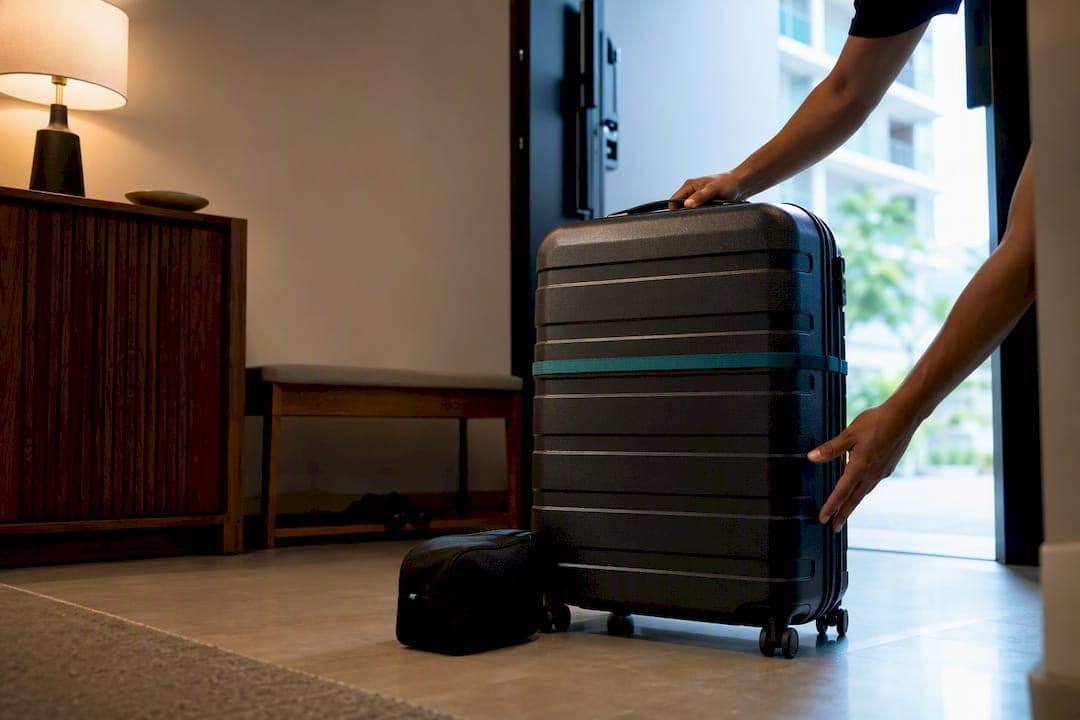
For most Singapore senders, a door-to-door courier service is the best way to ship luggage overseas. Choose priority shipping for time-sensitive trips and economy or sea freight for bulky, lower-cost moves. Always confirm tracking and consider declared-value protection. Expect anywhere from about a week for air routes to several weeks for sea freight.
TL;DR:
- Sea freight and economy air services suit bulky shipments or long-term relocations, while priority air courier is best for urgent, small baggage moves.
- Shipping costs are driven mainly by actual and volumetric weight, with remote destinations and oversized luggage incurring higher surcharges.
- Accurate weighing and documentation before pickup minimize last-minute price adjustments and customs delays.
- Transit typically takes one to two weeks for air shipping and several weeks for sea freight, with real-time tracking available throughout transit.
- Declaring higher item values increases claim limits, but only necessary for valuable electronics or jewelry, not for ordinary luggage.
Table of Contents
- How Do You Ship Luggage Overseas from Singapore?
- What Does It Cost to Ship Luggage Overseas from Singapore?
- How Do You Book a Luggage Shipment from Singapore?
- What Are the Packing and Customs Rules for Shipping Luggage?
- How Long Does It Take and How Do You Track a Shipment?
- When Should You Buy Shipping Insurance?
- Why We Recommend Door-to-Door Booking for Singapore Senders
- Get an Instant Quote and Book Your Pickup
- Where to Check Official Rules Before You Ship
- Sources
- FAQ
How Do You Ship Luggage Overseas from Singapore?
Sending a suitcase overseas comes down to matching the shipping method to your timeline and budget. Air express, economy air, sea freight, and unaccompanied baggage services each solve a different problem, and picking the wrong one either costs you unnecessarily or leaves your bags stuck in transit longer than you can afford.
Door-to-door courier shipping is the standard route for most personal luggage. A courier collects your bags from your home or office in Singapore, handles the paperwork, and delivers to the recipient's address abroad. Within courier shipping, you typically choose between priority (fastest, higher cost), a mid-tier option sometimes called connect or connect-plus, and economy (slower, cheaper). Sea freight, usually booked as LCL (less than container load), suits larger or heavier shipments where speed matters less than cost per kilogram.
Here's how the choice usually breaks down by situation:
- Short trip or single suitcase: Priority air courier, since speed matters more than shaving a few dollars off the price.
- Household move or long-term relocation: Sea freight or economy air for bulk items, paired with priority for anything you need immediately.
- Student relocating for a semester abroad: Economy air balances cost and a reasonable delivery window.
- Sports gear, musical instruments, or oddly shaped items: Courier services that handle oversized cargo, since airline baggage rules often reject these outright.
Door delivery versus airport or depot collection also affects price. Full door-to-door service costs more than dropping off at a depot yourself, but it saves you the hassle of arranging local transport at the destination end. Specialist movers such as PSS International Removals commonly offer both air and sea freight options with delivery times that shift depending on mode and destination, which is useful context if you're comparing quotes.
What Does It Cost to Ship Luggage Overseas from Singapore?
Price depends on three things: actual weight, dimensional (volumetric) weight, and destination zone. Carriers charge whichever is higher between actual weight and dimensional weight, calculated from the box's length, width, and height. A bulky but light suitcase can cost more to ship than a smaller, denser one, simply because of the space it occupies on the aircraft or vessel.
Destination zone matters too. Shipping to a nearby hub like Kuala Lumpur or Bangkok costs less than shipping to a remote town in Europe or a rural address in North America, where remote-area surcharges often apply.
Common extra fees to watch for:
- Remote area delivery surcharge for addresses far from a major city or courier depot
- Customs clearance fees for formal declarations or inspections
- Fuel surcharges, which fluctuate with oil prices
- Overweight or oversized handling fees for suitcases or boxes beyond standard courier limits
Quick cost snapshot: A single 20kg suitcase shipped economy to a major Asian hub typically costs less than the same suitcase sent priority to a European or North American address, where longer distance and remote delivery fees stack up. Luggage Forward notes that transit times and prices for international luggage shipping vary meaningfully by provider and route, so treat any online estimate as a starting point rather than a final number until you get an actual quote.
If you're weighing courier shipping against paying an airline for excess baggage, our guide on shipping internationally from Singapore affordably breaks down where each option wins.
How Do You Book a Luggage Shipment from Singapore?
Getting a suitcase from your doorstep in Singapore to an address overseas follows a predictable sequence. Here's how to move through it without missing a step.
- Gather your details first. You'll need the sender and recipient addresses, both parties' contact numbers, a full contents list, an estimated declared value, and your travel or delivery deadline.
- Get quotes and compare speeds. Enter your package dimensions and weight online to compare priority, connect-plus, and economy pricing side by side.
- Book your pickup. Choose a date and time window for door collection, so you don't need to make a special trip to a depot.
- Prepare your documentation. Declare whether the shipment is personal effects (used clothing, personal items) or commercial goods, since this affects the customs paperwork and any duties owed.
- Hand off on pickup day. The courier collects, weighs, and verifies your package against the declared details.
- Track through transit and clearance. Your shipment moves through export processing in Singapore, international transit, and import customs clearance at the destination.
- Choose your delivery option. Most services offer full door delivery; some let the recipient collect from a local depot instead.
For a closer look at the documentation side, our step-by-step piece on sending packages overseas from Singapore walks through what customs forms typically require.
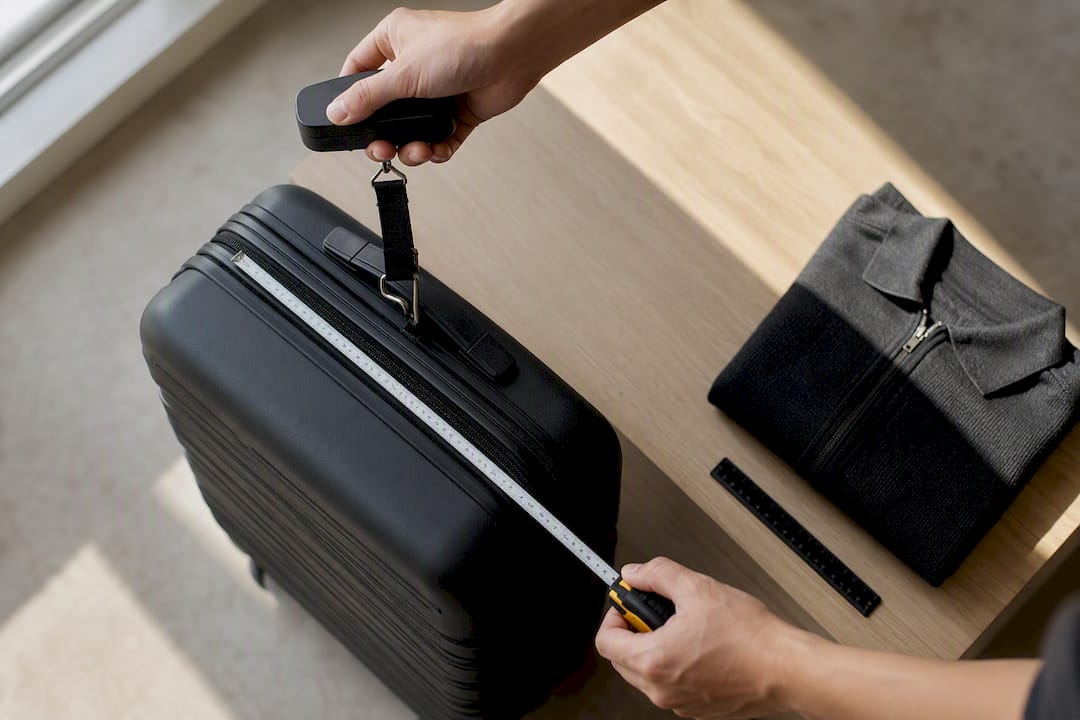
Pro Tip: Weigh and measure your suitcase yourself before requesting a quote. Couriers will re-weigh on pickup, and a mismatch between your estimate and the actual chargeable weight is the most common reason quoted prices change at the last minute.
What Are the Packing and Customs Rules for Shipping Luggage?
Good packing prevents the two most common problems: damage in transit and customs delays. A soft suitcase works fine for clothing and shoes, but fragile or oddly shaped items (musical instruments, sports equipment, electronics) do better in a sturdy box with padding, since suitcases flex and shift during handling. Label every package clearly with sender and recipient details, and keep a printed copy of your contents list inside as well as attached outside.
Customs paperwork is where personal shipments differ most from commercial ones. Personal effects, meaning used items for your own use, generally face lighter scrutiny than new goods intended for resale, but you still need an accurate declaration. Singapore Customs and the destination country's customs authority both have final say over duties and inspection requirements, so check specifics for your destination before you ship.
Certain items commonly cause hold-ups or outright rejection:
- Lithium batteries and spare batteries, which require special packaging and declaration and are a frequent cause of shipment delays
- Aerosols, flammables, and liquids over standard limits
- Perishable food items
- Weapons, sharp objects, and certain sporting equipment without proper declaration
If your shipment includes laptops, cameras, or other devices, our checklist on shipping electronics overseas safely covers battery packaging rules in more detail. When in doubt, check your specific carrier's restricted items list before you pack, since rules vary between providers and destinations.
How Long Does It Take and How Do You Track a Shipment?
Transit time depends entirely on the method you choose. Air express moves fastest, typically the shortest window available. Economy air takes longer but costs less. Sea freight takes the longest, often several weeks, and suits shipments where cost matters more than speed.
Industry benchmark: Standard international air luggage shipments to and from Singapore commonly take about 7 to 11 business days door to door, according to figures published by an international luggage shipping provider. Treat this as a reasonable planning window for economy and mid-tier air options, though actual times shift with destination and customs processing.
Tracking updates typically move through these milestones: pickup confirmed, export processed, in transit, arrived at destination country, customs clearance, out for delivery, delivered. Keep these on hand in case anything goes wrong:
- Photos of your packed items before pickup
- Your booking reference number
- The weight ticket or receipt from pickup day
If a shipment is delayed beyond the quoted window or tracking stalls, contact the courier's support line immediately with your booking reference. For suspected loss, you'll need your packing list, booking confirmation, and photos to start a claim.
When Should You Buy Shipping Insurance?
Every courier includes a baseline liability limit, but it's usually modest, often calculated per kilogram rather than by item value. That's fine for a suitcase of clothing. It's not enough if you're shipping electronics, jewelry, or anything genuinely valuable, which is where optional declared-value protection matters.
Declaring a higher value raises your shipping cost slightly but increases what you can claim if something is lost or damaged. Skip it on low-value items; buy it when the contents would actually hurt to lose.
If you need to file a claim, have these ready:
- Photos of the item and its packaging before shipment
- A detailed packing list matching your customs declaration
- Your booking reference and proof of declared value
- A police or customs report, if the carrier requires one for high-value claims
Why We Recommend Door-to-Door Booking for Singapore Senders
Simply Parcel built its platform around what actually slows people down when shipping luggage overseas: chasing quotes, filling out customs forms by hand, and arranging drop-off. Online booking, automatically generated shipping documents, doorstep pickup, and access to multiple carrier partners solve those friction points directly.
Priority and economy options exist for a reason. A student shipping textbooks home has different needs than a family relocating with the same books plus furniture. Matching the service tier to the shipment, rather than defaulting to the fastest or cheapest option, is usually where senders save the most money without sacrificing reliability. If you want a fast read on what your specific shipment would cost, running it through a quote tool takes a few minutes.
— Simply
Get an Instant Quote and Book Your Pickup
Using an online shipping platform is a practical alternative to juggling separate airline baggage fees, courier hotlines, and paper customs forms yourself. Book online, and the platform handles shipping labels and documentation automatically while you choose between Priority Shipping, Connect Plus Shipping, and Economy Shipping based on your timeline and budget. Doorstep pickup means you skip the trip to a depot, and real-time tracking means you're not guessing where your suitcase is once it leaves Singapore. There's no minimum volume commitment, so whether you're sending one suitcase or several boxes, the process stays the same.
Ready to see what your shipment costs? Get an instant quote and schedule your pickup in a few minutes.
Where to Check Official Rules Before You Ship
- Singapore Customs: confirm duty and declaration rules for your specific destination.
- FIDI: verify accreditation if you're using a mover for a large household relocation.
Sources
FAQ
What Is the Cheapest Way to Ship Luggage Internationally?
Economy air courier service is generally the cheapest option for a single suitcase, though sea freight costs less per kilogram for larger, bulkier shipments. Booking online through a comparison platform like Simplyparcel also helps you see priority, connect-plus, and economy rates side by side before committing.
How Much Does It Cost to Send Luggage Overseas from Singapore?
Cost depends on chargeable weight, destination zone, and service speed, so there's no single flat rate. For exact pricing on your specific shipment, Simplyparcel's shipping tiers list current rates by service level once you enter your package details.
Can I Ship a Suitcase via a Courier Service?
Yes, most major couriers and forwarders accept suitcases as standard shipments, provided they're packed securely and meet weight and size limits. Some providers recommend boxing fragile or oddly shaped luggage instead of relying on the suitcase shell alone.
How Do I Send Extra Luggage Overseas Beyond My Airline Allowance?
Book a separate courier shipment rather than paying airline excess baggage fees, which are often priced per kilogram at a premium rate. Services like Allied's excess baggage option in Singapore offer self-service packing and door-to-door delivery specifically for this situation, often working out cheaper than airline fees for anything beyond a few extra kilograms.