
Shipping insurance is defined as a financial protection policy that reimburses shippers for the declared value of a parcel lost, stolen, or damaged during transit. Whether you send personal gifts abroad or run a business exporting goods from Singapore, parcel protection closes the gap between what carriers accept as liability and what your shipment is actually worth. Carriers like USPS, DHL, and marine cargo insurers each offer different coverage tiers, and understanding the shipping insurance benefits available to you is the first step toward shipping with real confidence.
1. What are the primary shipping insurance benefits for parcels?
Shipping insurance delivers three core advantages: financial reimbursement, risk reduction, and protection of your reputation as a sender. When a parcel is lost or damaged, the insurance pays out the declared value, and in many policies, the original shipping cost as well. That reimbursement means you are not absorbing a total loss out of pocket.
DHL positions insurance not only as a reimbursement tool but as a risk reduction mechanism that protects financial stability and reputation even when all standard precautions are followed. That framing matters. Insurance does not replace careful packing or choosing a reliable carrier. It acts as the financial backstop when things go wrong despite your best efforts.
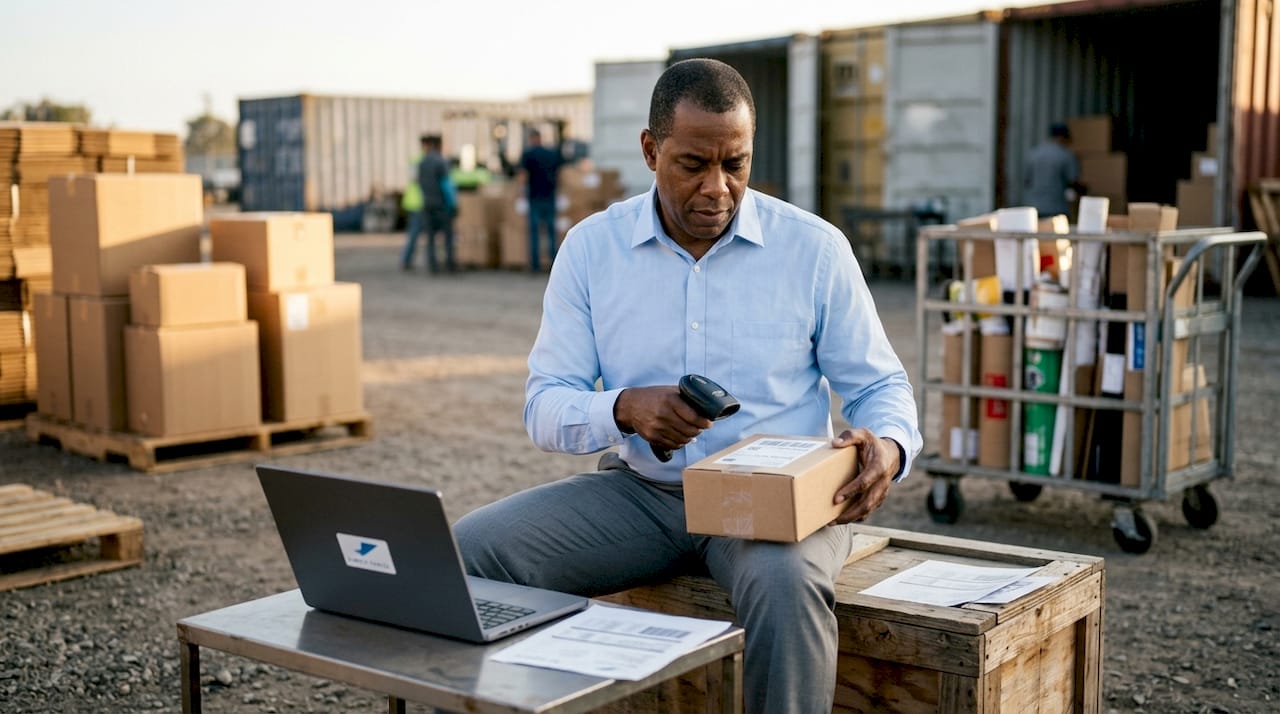
For businesses, the advantages of shipping insurance extend to customer service. A damaged shipment that gets quickly reimbursed and reshipped builds trust. One that leaves the customer waiting for a resolution they never receive destroys it.
Key benefits at a glance:
- Financial reimbursement for loss, theft, or damage up to the declared value
- Coverage for shipping costs in many policies
- Protection against mishandling, theft, and unforeseen transit events
- Peace of mind that supports consistent customer satisfaction
- Business continuity protection when high-value goods are in transit
Pro Tip: Always declare the full replacement value of your parcel, not the purchase price. Replacement cost is what you would actually spend to send the item again or replace it for your customer.
2. How do shipping insurance policies vary and what coverage options exist?
Coverage options for shipping range from basic carrier-included protection to specialized marine cargo insurance for complex international routes. The right choice depends on your shipment value, destination, and risk tolerance.
Carrier-included insurance
USPS Priority Mail International automatically insures merchandise shipments up to $200 at no additional charge. Extra coverage can be purchased up to $5,000, subject to destination country limits. USPS also includes document reconstruction insurance up to $100 for nonnegotiable documents at no charge, and additional document reconstruction insurance cannot be purchased beyond that amount. This built-in coverage suits low-to-mid-value personal shipments well.
Purchased shipping insurance
Shippers can buy additional insurance directly through carriers or third-party providers. This typically covers declared value above the carrier's default limit and may include options for fragile goods or high-value electronics.
Marine cargo insurance
Marine cargo insurance is the standard industry term for comprehensive coverage on international freight, particularly for multi-leg shipments crossing ocean, port, and inland routes. Marine cargo insurance costs between 0.3% and 1.5% of the shipment's insured value. To insure a $20,000 shipment, you would pay $60–$300. That cost-to-coverage ratio makes it one of the most affordable risk management tools available to exporters.
Marine policies come in two main forms: all-risk and named perils. All-risk covers any physical loss or damage not explicitly excluded. Named perils covers only the specific events listed in the policy, such as fire, theft, or collision.
| Coverage type | Best for | Typical cost | Key limitation |
|---|---|---|---|
| Carrier-included (USPS) | Low-value personal parcels | Free up to $200 | Country-specific limits |
| Purchased carrier add-on | Mid-value shipments | Varies by declared value | Limited to carrier's own network |
| Marine cargo (all-risk) | High-value or multi-leg freight | 0.3%–1.5% of insured value | Exclusions apply for packaging and inherent vice |
| Marine cargo (named perils) | Budget-conscious exporters | Lower than all-risk | Only listed events covered |
Pro Tip: For international shipments with multiple transport legs, confirm in writing that your marine cargo policy extends coverage through inland transit. War risk coverage ends when cargo moves inland unless you explicitly extend it.
3. What common misconceptions and exclusions should shippers know?
Shipping insurance is not a blanket guarantee. Every policy carries exclusions that can void a claim if you are not aware of them before you ship.
The most common misconception is that "all-risk" means all losses are covered. All-risk policies still exclude specific causes of loss. Cargo insurance policies commonly exclude losses caused by inadequate packaging, inherent vice (meaning the natural tendency of a product to deteriorate), and losses caused solely by delay. A bottle of wine that spoils because of temperature fluctuation during a delayed shipment is unlikely to be covered under most standard policies.
"Most marine cargo claims are denied due to packaging issues or natural product deterioration rather than the event itself." — Eximigo, Marine Cargo Insurance Claims Guide
Other common exclusions include:
- Losses from commercial credit risk or buyer insolvency
- Mysterious disappearance without evidence of theft
- Wear and tear during normal transit
- Damage from improper labeling or misdeclaration of contents
- Losses from shipment delays, even when the delay causes spoilage
Claims success depends heavily on three factors: documentation before shipping, packaging that meets carrier standards, and timely reporting after an incident. Shippers who photograph their items before packing, keep purchase receipts, and file claims within the required window have a significantly higher approval rate than those who do not.
Pro Tip: Create a pre-shipment record for every high-value parcel. Take photos of the item, the packaging materials, and the sealed box before handing it to the carrier. This record is your strongest evidence if a claim is denied.
4. How does shipping insurance benefit individuals vs. businesses?
The shipping insurance importance differs depending on whether you are sending a personal parcel or managing a commercial operation. Both groups gain real protection, but the stakes and the strategy differ.
For individuals
- Coverage for personal items. A gift, a returned purchase, or a collectible sent internationally carries real monetary value. Carrier default liability rarely covers full replacement cost.
- Peace of mind on key parcels. Knowing a parcel is insured removes the anxiety of tracking a high-value item across multiple countries.
- Low-cost entry point. For personal shipments under $200, USPS Priority Mail International provides automatic coverage at no charge, making basic protection accessible without any extra steps.
For businesses
- Financial protection on bulk shipments. A single lost container or damaged pallet can represent thousands of dollars in product. Insurance converts that unpredictable loss into a manageable, predictable cost.
- Customer service continuity. When a business can reship quickly because a claim is in process, customer relationships stay intact. Without insurance, the business absorbs both the product cost and the reputational damage.
- Risk management across complex routes. International shipments often move through multiple carriers, ports, and customs checkpoints. Coverage continuity across transport legs is critical. A gap between ocean and inland coverage can leave cargo unprotected at exactly the point where most damage occurs.
- Support for business resilience. Global supply chain disruptions are unpredictable. Insurance gives businesses the financial buffer to absorb a loss and continue operating without halting fulfillment.
Businesses shipping regularly should consider a floating open cover policy. This type of marine cargo policy provides continuous coverage for all shipments under a single agreement, reducing both coverage gaps and the administrative work of insuring each shipment individually.
5. What practical steps maximize your shipping insurance coverage?
Getting the most from parcel insurance requires preparation before you ship, not just after something goes wrong. Follow these steps to protect every shipment effectively.
- Assess your shipment value accurately. Calculate the full replacement cost, not the depreciated value. Underinsuring saves a small premium but leaves you exposed on a large claim.
- Choose the right coverage type. Match your policy to your shipment. A $150 personal parcel may be fine with USPS default coverage. A $15,000 electronics export needs marine cargo insurance with all-risk terms.
- Confirm coverage across all transit legs. For international shipments, ask your insurer specifically whether coverage extends through inland transport and port handling. Do not assume it does.
- Pack to carrier standards. Most marine cargo claims are denied because of packaging failures. Use appropriate cushioning, double-box fragile items, and follow carrier-specific packaging guidelines.
- Document everything before shipping. Photograph the item, the packaging, and the shipping label. Keep the purchase receipt and any valuation documents.
- Report incidents promptly. Every policy has a claims window. Missing it forfeits your right to reimbursement regardless of the cause of loss.
- Consider optional endorsements. Policies can be extended to cover war risk, strikes, or temperature-sensitive goods. If your shipment has specific vulnerabilities, ask about endorsements before you finalize coverage.
Pro Tip: Small businesses managing shipping costs often overlook insurance as a budget line. At less than 1% of shipment value for most cargo policies, insurance is one of the lowest-cost risk tools available. The real risk is going uninsured.
Key takeaways
Shipping insurance is the most cost-effective way to protect parcel value, with marine cargo policies costing as little as 0.3% of the insured amount while covering loss, theft, and damage across international routes.
| Point | Details |
|---|---|
| Financial reimbursement | Insurance pays declared value and often shipping costs when a parcel is lost or damaged. |
| Coverage varies by type | USPS includes free coverage up to $200; marine cargo insurance covers complex international freight from 0.3%–1.5% of value. |
| Exclusions are real | Inadequate packaging, inherent vice, and delays are commonly excluded. Document everything before shipping. |
| Businesses need continuity | Confirm coverage extends across all transit legs, including inland transport, to avoid unprotected gaps. |
| Claims require preparation | Pre-shipment photos, receipts, and timely reporting are the three factors that determine claims success. |
Why shipping insurance deserves more attention than most shippers give it
Working with shippers across international routes, I have seen the same pattern repeat. A business sends a high-value shipment, skips insurance to save a small fee, and then faces a total loss with no recourse. The carrier's default liability covers a fraction of the actual value. The business absorbs the rest.
What surprises most people is how affordable real coverage actually is. At less than 1% of shipment value, cargo insurance is not a luxury. It is a straightforward cost of doing business responsibly. The question is never really about affordability. It is about whether you are willing to carry the full risk yourself.
The other thing I consistently see underestimated is the importance of policy details. Shippers buy coverage and assume they are protected. Then a claim gets denied because the packaging did not meet standards, or because the loss happened during inland transit where coverage had lapsed. Reading the exclusions before you ship is not optional. It is the only way to know what you actually bought.
My honest advice: treat insurance as part of your shipping process, not an afterthought. Pair it with proper packaging, accurate documentation, and a carrier you trust. That combination gives you the best chance of a successful claim if you ever need one, and the peace of mind to ship confidently when you do not.
— Simply
Protect your shipments with Simplyparcel
Simplyparcel makes international shipping from Singapore straightforward, with competitive rates and the ability to add parcel protection when you book. Whether you are sending a personal parcel or managing regular business exports, you can get an instant shipping quote and select the coverage level that fits your shipment's value. Simplyparcel works with major courier partners to give you real options across priority, connect-plus, and economy speeds. Transparent pricing and free pickup mean you spend less time managing logistics and more time focused on what matters. Start your next insured shipment with Simplyparcel today.
FAQ
What does shipping insurance typically cover?
Shipping insurance covers financial loss from parcel damage, theft, or loss during transit, up to the declared value. Many policies also reimburse the original shipping cost when a claim is approved.
Is shipping insurance worth it for low-value parcels?
USPS Priority Mail International automatically insures merchandise up to $200 at no charge, so low-value personal shipments often have basic coverage built in without any extra cost.
Why do shipping insurance claims get denied?
Claims are most often denied due to inadequate packaging or natural product deterioration, not the transit event itself. Pre-shipment documentation and proper packing are the two most important factors in claims approval.
How much does marine cargo insurance cost?
Marine cargo insurance costs between 0.3% and 1.5% of the shipment's insured value. Insuring a $20,000 shipment costs $60–$300, making it one of the most affordable risk management options for exporters.
Do I need separate insurance for each shipment leg?
For multi-leg international shipments, you need to confirm that your policy covers every leg, including inland transport. Coverage gaps between ocean and inland transit are common and can leave cargo unprotected at critical points in the journey.