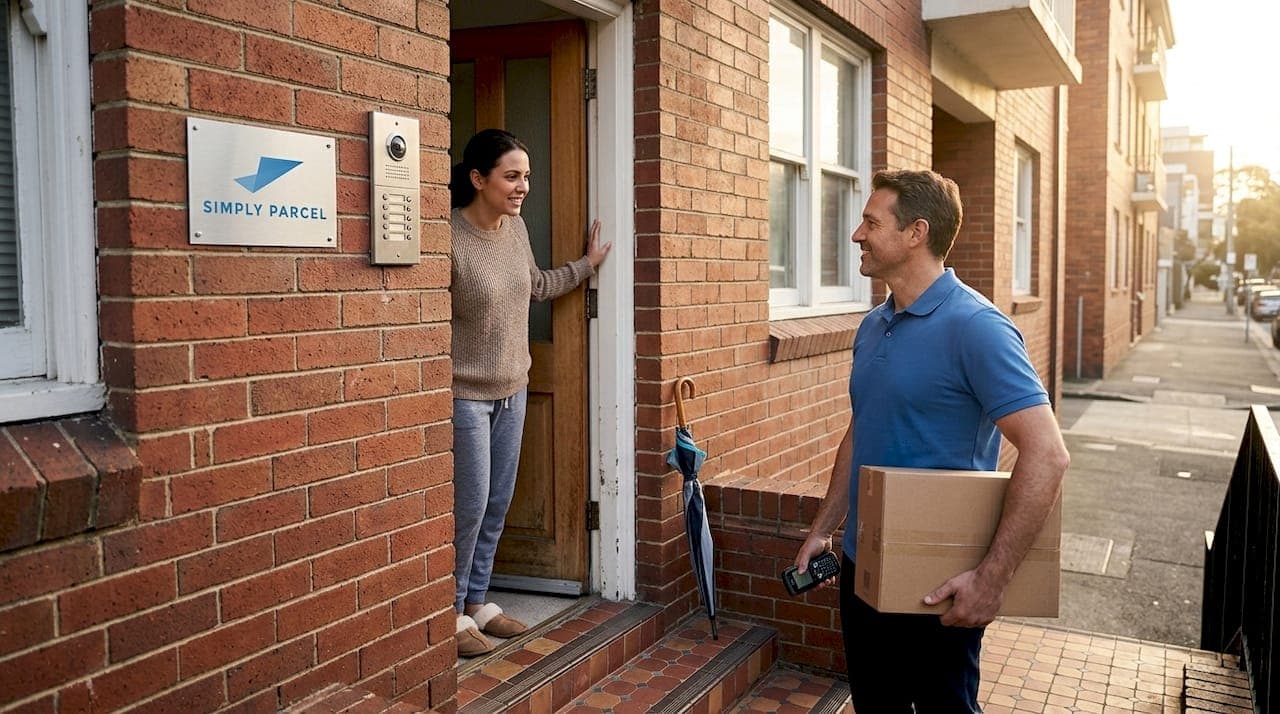
Package pickup sounds simple enough, but many Singaporean consumers and small business owners still confuse it with standard parcel delivery. Some assume it is just another name for having a courier drop off a package at their door. Others think it is an expensive add-on reserved for large companies. Neither is accurate. Package pickup is a distinct service where a courier collects your parcel directly from your location, and it can be one of the most practical, cost-effective tools in your shipping workflow, whether you are sending a birthday gift overseas or fulfilling dozens of customer orders every week.
Table of Contents
- Understanding package pickup: The basics
- How package pickup services work in Singapore
- Package pickup vs. drop-off and delivery: Which is best for you?
- Tips for getting the most from package pickup
- The real story: What most guides miss about package pickup in Singapore
- Looking for stress-free, affordable package pickup?
- Frequently asked questions
Key Takeaways
| Point | Details |
|---|---|
| Pickup saves time | Having a courier collect your parcel is easier than going to a drop-off point. |
| Compare all options | Pickup, drop-off, and delivery each have pros and cons depending on your package and timing. |
| Plan for reliability | High demand can sometimes cause delays, so schedule in advance and communicate clearly with your courier. |
| Maximize cost savings | Smart preparation and scheduling can keep pickup affordable for both individuals and businesses. |
Understanding package pickup: The basics
With the confusion cleared, let us dive into what package pickup really means and how it fits into shipping today.
Package pickup refers to a courier service where the logistics provider comes to your address, whether your home, office, or warehouse, to collect a parcel for onward shipment. This is fundamentally different from drop-off, where you bring your parcel to a designated counter or locker, and from standard delivery, where a courier delivers a package to your recipient. The flow goes from your door outward, not the other way around.
A wide range of providers offer pickup services today. These include traditional courier companies, regional logistics firms, and digital shipping platforms that aggregate multiple carriers in one place. The rise of e-commerce has been a major driver here. Quick, cheap delivery strains delivery systems globally, and Singapore is no exception. As consumer expectations for speed and convenience rise, logistics providers have had to adapt, and offering package pickup is now a standard part of most courier service menus.
Here is how the process typically unfolds, step by step:
- Schedule the pickup: You book online or through a mobile app, selecting your preferred date and time window.
- Confirm and prepare: You receive a confirmation, print or download your shipping label, and pack your parcel securely.
- Handoff at your door: The courier arrives within the scheduled window and scans your parcel for tracking.
- Dispatch to sorting facility: The parcel moves to a hub, gets processed, and begins its journey to the destination.
Package pickup serves a broad audience. Individual consumers use it to send personal items such as gifts, clothing, or documents to friends and family abroad without needing to travel to a post office. Small and medium-sized enterprises (SMEs) rely on it to fulfill international orders without dedicating staff time to queuing at counters. You can find practical shipping tips on the Simply Parcel blog if you are new to the process and want to build a reliable routine.
Pro Tip: Always confirm your courier's pickup window in advance. Many providers offer morning or afternoon slots, and missing your window can delay shipment by an entire day. Set a reminder and have your parcel ready at least 15 minutes before the slot begins.
How package pickup services work in Singapore
Now that you know what pickup means, let us see how it works in real life for Singapore residents and businesses.
Singapore's compact geography makes it well-suited for courier pickup services. Most residential and commercial addresses fall within coverage zones, and urban density means couriers can service multiple stops efficiently. That said, the process involves a few specific steps and requirements that senders need to understand.
Here is a numbered breakdown of how a typical package pickup booking works in Singapore:
- Book your pickup online: Visit your courier's website or a shipping aggregator platform. Enter your parcel dimensions, weight, origin, and destination.
- Compare service levels: Choose between priority, economy, or express options depending on your urgency and budget.
- Input pickup details: Confirm your address, contact number, and preferred pickup time slot (usually a two to four hour window).
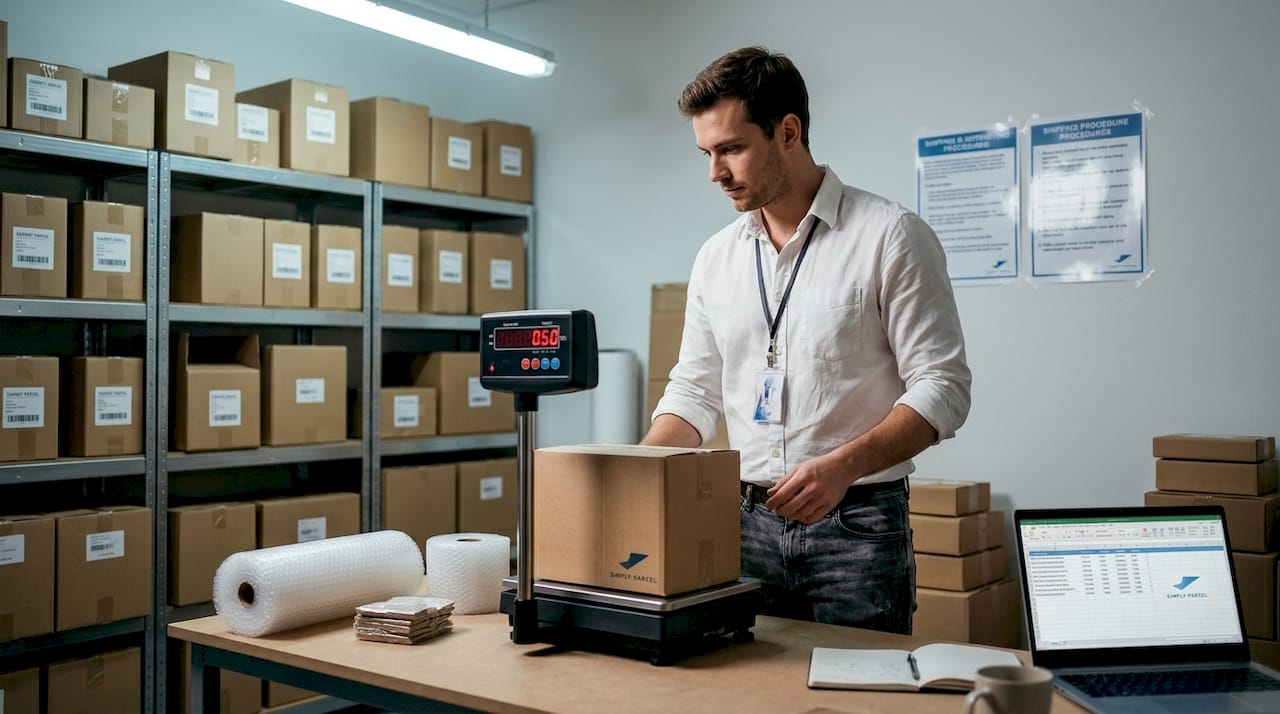
- Prepare your parcel: Seal the box securely, attach the printed shipping label, and complete any required customs declaration forms for international shipments.
- Greet the courier: Be present during the pickup window. The courier scans the parcel and provides a receipt or tracking number.
- Track your shipment: Use your tracking number to monitor the parcel's progress in real time.
Weight and size restrictions apply across most couriers. Standard pickup services typically handle parcels up to 30 kilograms, with dimensions staying within each provider's published limits. For larger freight, you may need to arrange a different service tier. Advance booking is usually required, with most couriers asking for at least a few hours' notice, though same-day options exist for premium pricing.
Coverage in Singapore is extensive but not universal. Most residential estates, industrial areas, and commercial districts are covered. International pickup services, where your parcel is collected in Singapore and dispatched abroad, are the core strength of platforms like Simply Parcel. You can review international shipping details to understand destination coverage before booking.
Cost factors include parcel weight and dimensions, the chosen service speed, destination country, and whether insurance or additional handling is needed. It is worth noting that high demand strains workers and can affect reliability during peak periods. Plan your pickups outside of peak shopping seasons whenever possible.
| Feature | Economy pickup | Connect-Plus pickup | Priority pickup |
|---|---|---|---|
| Typical transit time | 7 to 14 business days | 4 to 7 business days | 2 to 4 business days |
| Cost level | Lowest | Mid-range | Highest |
| Tracking | Basic | Real-time | Real-time with alerts |
| Best for | Non-urgent personal parcels | SME shipments | Time-sensitive business freight |
| Pickup scheduling | 24-hour advance notice | Same-day or next-day | Same-day |
Learn more about Simply Parcel to understand which service tier fits your typical shipping volume and destination.
Package pickup vs. drop-off and delivery: Which is best for you?
Understanding options helps you decide if package pickup fits your needs best.
Not every sender benefits equally from pickup. The right method depends on your shipping frequency, budget, parcel size, and how much time you can realistically dedicate to the logistics process. Let us compare the three main options clearly.
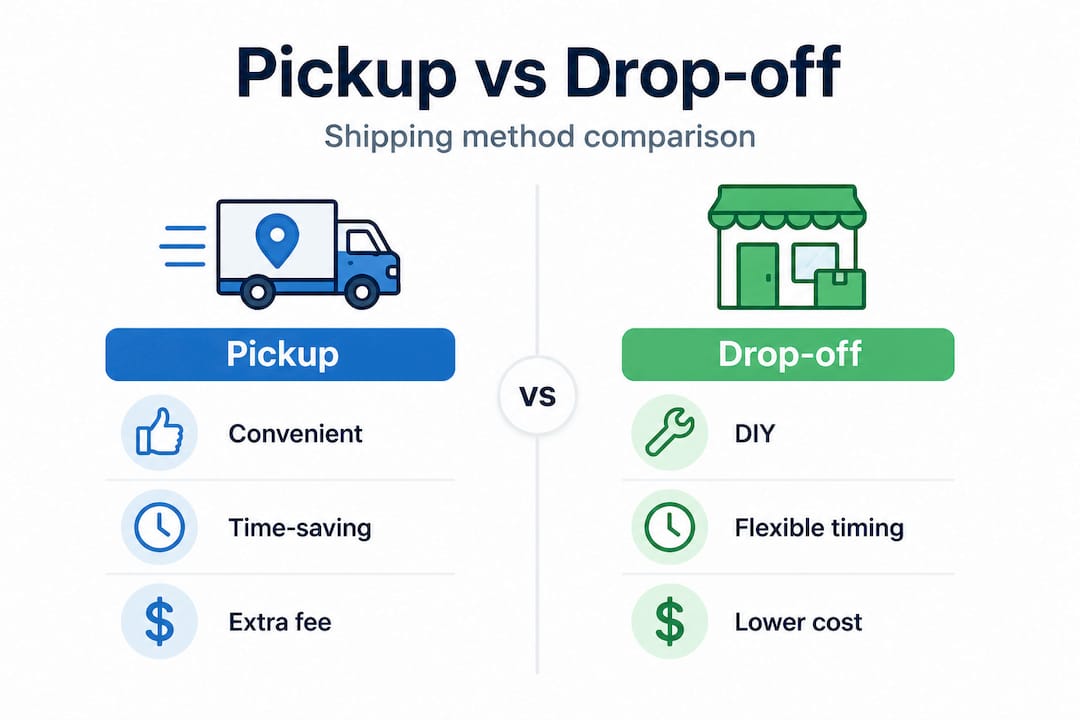
| Factor | Package pickup | Self drop-off | Door-to-door delivery |
|---|---|---|---|
| Your time investment | Very low (you stay in place) | Moderate (travel to counter) | None (you are the recipient) |
| Cost | Slightly higher than drop-off | Often lowest option | Built into shipping rate |
| Flexibility | High (scheduled at your convenience) | Lower (counter operating hours) | Depends on recipient availability |
| Reliability | Good, but demand-dependent | High (you control timing) | Variable |
| Best for | Regular senders, SMEs | Occasional senders near a counter | Recipients expecting inbound parcels |
Key considerations for each sender type:
- ✅ Individual consumers: Pickup is ideal if you live far from a courier counter or send parcels regularly. Drop-off may cost less for occasional shipments.
- ✅ Small businesses (SMEs): Pickup scales well. As order volume grows, scheduling bulk pickups saves significant staff time versus making repeated counter visits.
- ✅ Frequent shippers: Pickup lets you build a consistent routine, reducing the friction of logistics administration.
- ❌ Drop-off drawbacks: Counter hours are limited. If you work full-time, getting to a counter during business hours can be a genuine challenge.
- ❌ Pickup drawbacks: You need to be present or arrange someone to hand over the parcel. Failed pickups, where the courier arrives and no one is available, waste time and may attract a surcharge.
"The pressure to offer ever-faster, ever-cheaper delivery has real consequences for the people and systems making it happen. Senders who understand this can make smarter choices, selecting services that balance cost with realistic reliability rather than chasing the lowest number on the screen." — Insight drawn from system strains on delivery quality.
You can read more SG shipping insights to understand how local logistics dynamics affect your shipping choices.
Pro Tip: For SMEs shipping more than 10 parcels per week, negotiate a recurring pickup schedule with your courier. Many providers offer discounted rates for committed weekly volume, and a fixed pickup slot removes the need to rebook every time.
Tips for getting the most from package pickup
Once you have chosen pickup, here is how to make it smooth and cost-effective.
Even a great service produces poor results when the sender is not prepared. These practical steps will help you avoid the most common pitfalls and keep your shipping costs under control.
How to prepare your parcels correctly:
- Use appropriately sized boxes. Oversized packaging increases dimensional weight, which can raise your shipping cost significantly. Measure accurately before booking.
- Seal all edges with strong tape. Parcels that open during transit create problems for you and for the courier. Use quality packing tape across all seams.
- Label clearly and securely. Attach your printed label to the flattest side of the parcel. Cover it with clear tape to protect against moisture during transit.
- Complete customs documents in advance. For international shipments, have your commercial invoice or customs declaration ready before the courier arrives. Missing paperwork is one of the top reasons for shipping delays.
- Photograph your parcel before handoff. This protects you if a dispute arises about the condition at collection.
Checklist for SME senders using pickup services:
- ✅ Weigh and measure all parcels before booking
- ✅ Book pickup with enough lead time to allow for any courier scheduling changes
- ✅ Keep a record of all tracking numbers in a shared document or spreadsheet
- ✅ Communicate estimated delivery timelines to your customers proactively
- ✅ Review courier performance regularly and switch providers if reliability drops
- ✅ Consolidate smaller parcels where possible to reduce per-unit shipping costs
When to schedule for the best rates:
Avoid booking pickups during peak periods such as major sale events, holiday seasons, and public holidays. Courier capacity tightens considerably during these times, and rates often increase. Booking during off-peak weekday mornings typically yields better availability and more competitive pricing. Planning ahead is key to securing both good rates and reliable service windows.
Tracking and monitoring your parcel:
Real-time tracking is standard with most services today. Use your courier's tracking portal or a consolidated tracking tool if you are managing multiple shipments. Set up delivery notifications where available so you and your recipient are both informed at each stage.
Communicating with your courier:
If your pickup window is approaching and you are running late with packing, contact the courier in advance to adjust. Most providers are flexible with short notice changes as long as you communicate promptly. Silence, on the other hand, leads to failed pickups and rescheduling fees.
You can get shipping quotes through Simply Parcel's online tool to compare rates across service tiers before committing to a booking.
The real story: What most guides miss about package pickup in Singapore
Beyond the "how-to," let us look at the bigger picture on package pickup in Singapore.
Most articles on package pickup stop at the practical steps. Book here, pack like this, track there. That is useful, but it misses a more important reality: the quality of your shipping experience is directly shaped by the health of the courier ecosystem you are buying into.
Singapore's logistics sector is under real pressure. The relentless drive for cheap, fast delivery creates shortages and unreliable service. When consumers and businesses choose courier services based purely on the lowest price, they contribute to a race to the bottom that squeezes courier workers, compresses margins, and ultimately degrades service quality. This is not a moral lecture. It is a practical observation with direct consequences for your parcels.
What does this mean for senders? It means that the cheapest option at any given moment may not be the most cost-effective over time. A delayed pickup, a missed handoff, or a lost parcel can cost far more than the few dollars saved on the booking fee. Businesses especially need to factor in the downstream cost of customer complaints, refunds, and reputational damage when evaluating courier providers.
Smart senders plan for realistic timelines rather than optimistic ones. They communicate buffer time to their customers. They choose couriers with transparent service records and clear escalation processes, not just attractive rates. They also recognize that company values matter when selecting a logistics partner, since a provider that treats its operations with care tends to handle your parcels with the same standard.
The other thing most guides ignore is the importance of consistency. A sender who builds a stable relationship with a reliable courier, books consistently, and provides well-prepared parcels will receive better service over time than a sender who hunts for the cheapest rate on every single shipment. Couriers are run by people. Reliable, cooperative customers tend to get prioritized when capacity is tight.
Package pickup in Singapore works well when both sides of the transaction hold up their end. Prepare properly, communicate clearly, plan ahead, and choose providers who operate with integrity.
Looking for stress-free, affordable package pickup?
Ready to put these insights into practice with a trustworthy provider? Simply Parcel makes the entire process straightforward for individuals and small businesses across Singapore. You can request a quote in minutes, compare service tiers, and book your pickup without a single phone call. The platform handles label generation and customs documentation automatically, so you spend less time on admin and more time on what matters. Check shipping details to confirm destination coverage and transit timelines before booking. With real-time tracking, competitive rates, and free pickup services built in, Simply Parcel is designed to take the complexity out of international shipping for senders at every scale.
Frequently asked questions
What is the difference between package pickup and delivery?
Package pickup means the courier collects your parcel from your location, while delivery means they bring a parcel to your recipient's address. They serve opposite directions in the shipping process.
How do I schedule a package pickup in Singapore?
You can book a pickup online through your courier's website or a shipping aggregator platform, selecting your preferred date and time window when prompted.
Is package pickup more expensive than drop-off?
Package pickup may carry a small additional fee compared to self drop-off, but the time saved on pickup often justifies the difference, particularly for businesses shipping in volume.
What happens if I miss my scheduled pickup?
Couriers may charge a rescheduling or failed-pickup fee if you are unavailable during the agreed window. Failed pickups add delays, so confirm your availability before booking.
Are package pickup services reliable in Singapore?
Most providers are reliable under normal conditions, but high demand strains reliability during peak periods. Book early, prepare your parcels in advance, and choose couriers with strong service records to minimize disruptions.