
Unexpected charges on your shipping invoices can quietly eat into your margins. You book what looks like a reasonable rate, and then the final bill arrives with fuel surcharges, remote area fees, and customs handling costs you never saw coming. For Singapore SMEs shipping internationally, this is a frustratingly common experience. The good news is that hidden surcharges and volatile freight costs remain major obstacles for SMEs, but they are not unavoidable. This guide breaks down what transparent shipping rates actually mean, what drives your costs, and how to use the right tools to stop paying for surprises.
Table of Contents
- What are transparent shipping rates and why do they matter?
- Key factors influencing shipping rates for Singapore SMEs
- How to compare and optimize shipping rates using digital tools
- Navigating regulatory requirements and best practices for transparent rates
- What most SMEs miss about transparent shipping rates
- Achieve rate transparency with Simply Parcel
- Frequently asked questions
Key Takeaways
| Point | Details |
|---|---|
| Transparency lowers costs | SMEs can avoid surprise fees and better plan budgets with clear, upfront shipping rates. |
| Digital tools empower savings | Online platforms let businesses compare rates, consolidate parcels, and access full cost breakdowns. |
| Regulations protect shippers | Local laws promote honest rate disclosures and reduce hidden charges in Singapore and Asia. |
| Optimization strategies matter | Choosing economy modes and off-peak shipping can yield further savings for non-urgent shipments. |
What are transparent shipping rates and why do they matter?
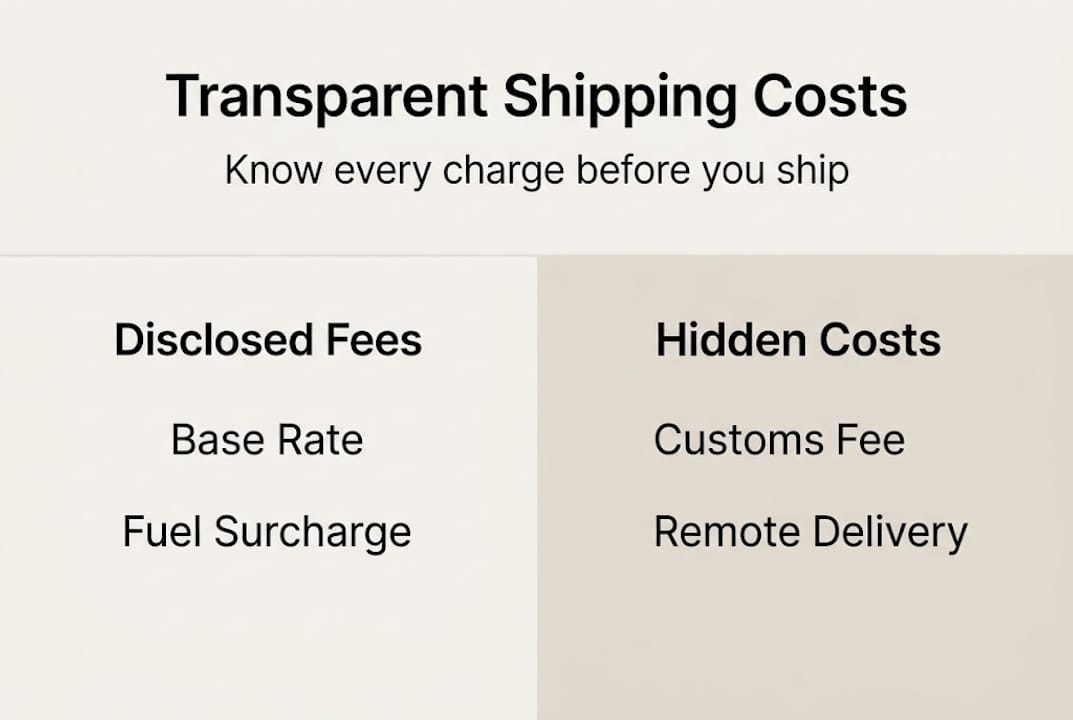
A transparent shipping rate is one where every charge is disclosed upfront, before you confirm your booking. That means the base freight cost, fuel surcharges, handling fees, customs documentation, and any destination-specific fees are all visible from the start. No fine print. No "additional charges may apply." What you see is what you pay.
This sounds simple, but in practice, many quotes only show the headline rate. The real cost only appears later, sometimes after your shipment is already in transit. For an SME managing tight cash flow, that kind of surprise can disrupt budgets and damage relationships with customers who were promised a delivery cost.
Here are the most common hidden fees that catch Singapore SMEs off guard:
- Fuel surcharges: These fluctuate with global oil prices and are rarely included in base rates
- Remote area delivery (RAD) fees: Charged when the final destination is outside a courier's standard service zone
- Customs handling fees: Separate from import duties, these cover the courier's administrative work at the border
- Documentation fees: Charges for generating commercial invoices, packing lists, or certificates of origin
- After-hours or weekend surcharges: Applied when pickups or deliveries fall outside standard business hours
- Oversize or overweight fees: Triggered when your parcel exceeds dimensional or weight thresholds
Why rate transparency is a business decision, not just a preference: When you can see the full cost of a shipment before it ships, you can price your products accurately, protect your margins, and build real trust with your customers. Opacity in shipping costs is not just inconvenient. It is a direct threat to profitability.
Learning about transparent pricing in shipping helps you ask the right questions when evaluating logistics partners. And once you know what to look for, you will find that some providers are far more upfront than others. The shipping tips for SMEs available from experienced platforms can also help you identify red flags in quotes before you commit.
Pricing clarity also strengthens your negotiating position. When you understand the full cost structure, you can push back on fees that seem unreasonable and compare providers on a level playing field.
Key factors influencing shipping rates for Singapore SMEs
Understanding what drives your shipping costs is the first step toward controlling them. Several variables combine to produce your final rate, and knowing where hidden fees tend to appear helps you ask smarter questions when requesting a shipping quote.
The main cost drivers are:
- Parcel weight and size: Couriers use either actual weight or volumetric weight (length x width x height divided by a divisor), whichever is greater. Bulky but light items often cost more than expected.
- Delivery speed: Priority and express services cost significantly more than economy or standard options.
- Destination zone: Shipping to major hubs like Hong Kong or Kuala Lumpur is cheaper than shipping to remote or less-served regions.
- Shipping method: Air freight is faster but pricier. Sea freight is slower but more economical for heavy or bulk cargo.
Here is a simplified example of how rates and transparency can vary by method:
| Shipping method | Estimated base rate (0.5 kg to Malaysia) | Fuel surcharge disclosed? | Customs fee disclosed? |
|---|---|---|---|
| Economy air | SGD 8 to SGD 12 | Sometimes | Rarely |
| Standard express | SGD 18 to SGD 25 | Usually | Sometimes |
| Priority courier | SGD 30 to SGD 45 | Yes | Yes |
| Sea freight (LCL) | SGD 5 to SGD 9 | Rarely | No |
As you can see, lower base rates do not always mean lower total costs. Economy and off-peak shipping can provide significant cost reductions for non-urgent cargo, but only when the full cost is visible from the start.
Where SMEs most often encounter unclear charges:
- Customs clearance and import duties at the destination country
- Last-mile delivery in areas outside major city centers
- Documentation preparation and submission
- Consolidation handling fees when shipments are grouped
- Fuel and security surcharges applied after booking
Pro Tip: If your shipment is not time-sensitive, economy shipping can save you 30 to 50 percent compared to express options. Just confirm that all surcharges are included in the quoted price before booking.
How to compare and optimize shipping rates using digital tools
The logistics industry has changed a lot in recent years. You no longer need to call multiple couriers and wait for manual quotes. Digital platforms now let you compare rates, see full cost breakdowns, and book shipments in minutes. But not all tools are created equal, and knowing how to use them effectively makes a real difference.

The most important thing to remember: always compare total landed cost, not just the base rate. Total landed cost includes the freight charge, all surcharges, customs fees, and any handling costs. A quote that looks 20 percent cheaper upfront can end up costing more once all fees are added.
Here is a comparison of features to look for in a digital shipping platform:
| Feature | Basic platforms | Advanced platforms |
|---|---|---|
| Instant rate comparison | Yes | Yes |
| Total landed cost display | Sometimes | Yes |
| Real-time shipment tracking | Sometimes | Yes |
| Shipment consolidation | No | Yes |
| Automated documentation | No | Yes |
| Transparent surcharge breakdown | Rarely | Yes |
Using rate comparison tools that show all fees upfront saves you from unpleasant invoice surprises. Platforms that support digital consolidation can also combine multiple smaller shipments into one, reducing your per-unit shipping cost significantly.
Steps for evaluating and selecting a transparent shipping platform:
- Enter your parcel details (weight, dimensions, destination) and request a full quote
- Check whether the quote itemizes every charge, including fuel and handling
- Compare at least three providers using the same parcel details
- Read the terms and conditions for any "additional charges may apply" language
- Confirm the platform offers real-time tracking so you can monitor your shipment
- Test customer support responsiveness before committing to a provider
SMEs can consolidate shipments and use digital rate comparison tools for maximum transparency and savings, which means you do not have to choose between affordability and visibility.
Pro Tip: If you ship regularly, consolidating multiple orders into one weekly shipment can reduce your logistics costs by up to 25 percent. Ask your platform if consolidation is available for your routes.
Navigating regulatory requirements and best practices for transparent rates
Transparency in shipping is not just good business practice. It is increasingly becoming a legal and regulatory expectation. Singapore and many regional markets are tightening their requirements around how shipping fees are disclosed to customers and businesses.
Regulatory direction is clear: International frameworks and local regulations increasingly mandate upfront disclosure for shipping surcharges and fees. Businesses that fail to comply risk penalties, disputes, and damaged customer trust.
For Singapore SMEs, this means your logistics partners need to meet a rising standard of disclosure. When you choose a shipping provider, you are also taking on some responsibility for how costs are communicated to your end customers.
Key compliance steps for SMEs:
- Retain all shipping documentation: Keep invoices, quotes, and rate confirmations for at least three years in case of disputes or audits
- Enable customer review of shipping costs: If you pass shipping costs to customers, make sure they can see the full breakdown before checkout
- Conduct annual rate reviews: Compare your current provider's rates and fee structures against market alternatives every year
- Request written confirmation of all surcharges: Never rely on verbal assurances. Get every fee in writing before booking
- Work with providers who publish their rate cards: Providers with publicly available pricing are generally more accountable
Staying current on regulatory shipping updates is easier when you work with a platform that actively monitors compliance changes and updates its processes accordingly. The right logistics partner will flag changes before they affect your shipments, not after.
Building a relationship with a transparent, compliant shipping partner is one of the most underrated moves an SME can make. It reduces your administrative burden and protects you from regulatory exposure.
What most SMEs miss about transparent shipping rates
Here is something most logistics guides will not tell you: chasing the lowest headline price is often the most expensive strategy in the long run. We have seen it repeatedly. An SME switches to a cheaper provider, saves a few dollars per shipment, and then spends those savings managing disputes, delayed deliveries, and unexpected invoice adjustments.
Real transparency is not just about price. It is about predictability. When you know exactly what a shipment will cost, you can plan, price, and promise with confidence. That reliability is worth more than a marginal rate reduction.
The logistics professionals who consistently get the best outcomes build long-term relationships with providers they trust. They ask hard questions upfront. They review their invoices line by line. And they treat shipping as a strategic function, not just an operational cost.
Pro Tip: Set a monthly calendar reminder to review your last four shipping invoices. Look for any fees that were not in the original quote. Patterns of creeping charges are a clear sign it is time to renegotiate or switch providers. Use advanced shipping quotes to benchmark your current rates against the market.
Preparation beats price every time. Know your cost structure, document everything, and choose partners who earn your trust through consistency.
Achieve rate transparency with Simply Parcel
If hidden fees and unclear quotes have been frustrating your logistics planning, Simply Parcel is built to fix exactly that.
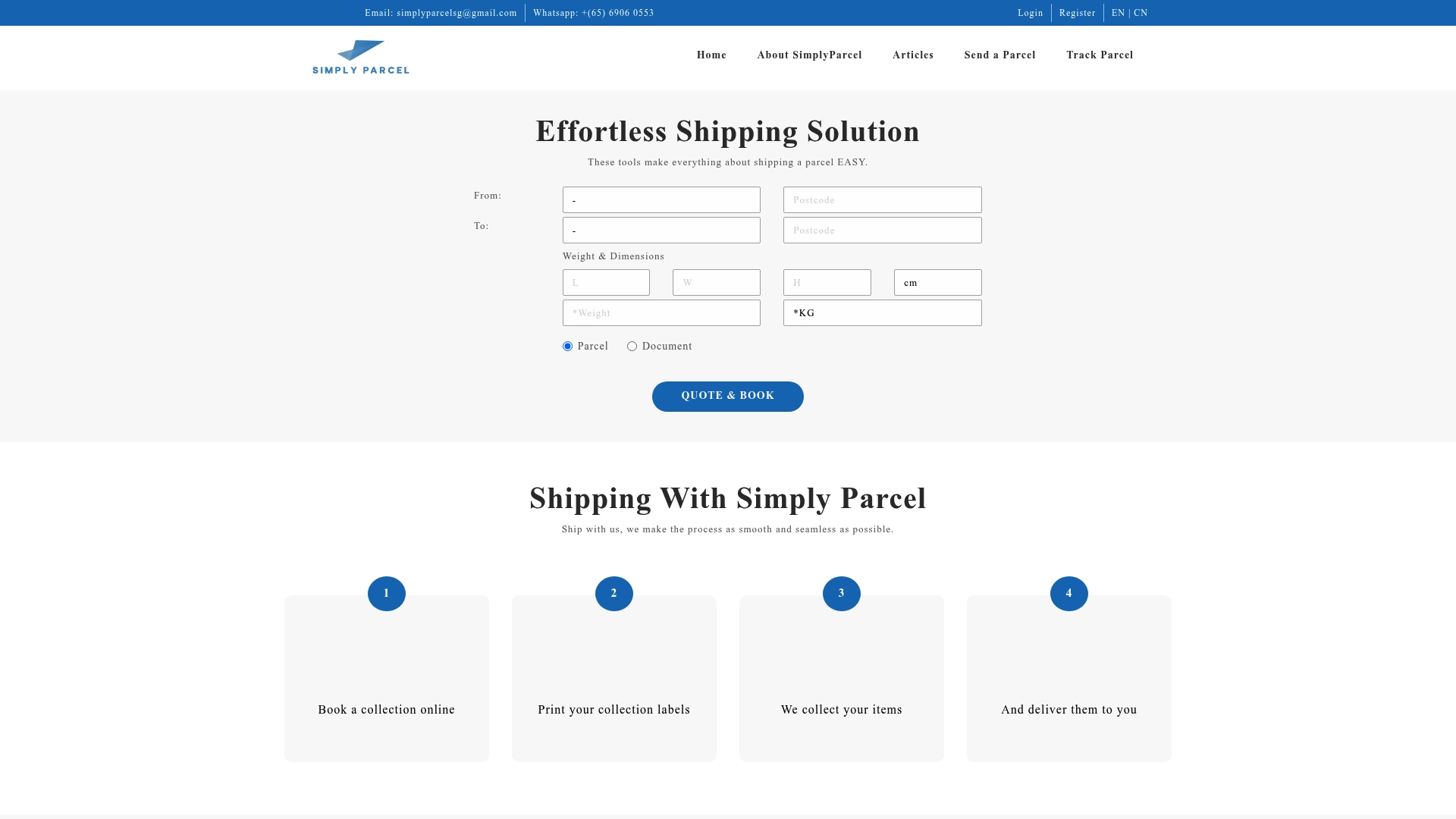
Simply Parcel gives Singapore SMEs instant, itemized quotes with no hidden charges. Every fee, including fuel surcharges, handling costs, and customs documentation, is shown upfront before you confirm a booking. You can get a transparent quote in minutes, compare courier options side by side, and book with confidence. Need to dig into the details? Explore all-in shipping details to see exactly what is included in each service tier. The Simply Parcel platform also offers real-time tracking and free pickup, so managing your international shipments is straightforward from start to finish.
Frequently asked questions
How can Singapore SMEs check if a shipping rate is truly transparent?
A truly transparent shipping quote provides an itemized breakdown of all costs, including every surcharge and expected expense upfront, so there are no surprises on the final invoice. Look for providers whose quotes show all surcharges before you confirm.
What types of hidden costs should shippers look for in international quotes?
Watch for fuel surcharges, customs handling, documentation fees, remote zone delivery charges, and after-hours fees. These common hidden charges for fuel, last-mile delivery, or region-specific duties are rarely included in base rates.
Do digital shipping calculators guarantee cost transparency?
They improve visibility significantly, but you still need to confirm all potential surcharges and terms when reviewing your quote. Digital tools help but full transparency requires confirming every fee in writing before booking.
Are there regulations in Singapore or the region for shipping rate disclosure?
Yes. Singapore and many nearby markets now require upfront disclosure of all shipping fees. Major regional markets increasingly mandate rate disclosure to protect businesses and consumers from unexpected charges.